Happy Everything Graphics: Freebies for Designers
As a graphic designer who has spent over a decade refining brand identities and crafting marketing visuals for small businesses, I have developed a keen eye for what makes a graphic design asset truly valuable. It is not just about aesthetics; it is about utility, versatility, and how well the element integrates into a broader creative design strategy. Recently, I downloaded a resource titled Happy Everything to evaluate its potential for an upcoming client project involving a handmade lifestyle brand. This review breaks down my practical experience with this digital product, assessing whether it holds up under the scrutiny of professional commercial use.
First Impressions and Visual Mood
Upon opening the files, the immediate impression of Happy Everything is one of unapologetic optimism. The visual elements exude a playful, whimsical energy that feels organic rather than manufactured. For designers working in the realm of handmade business or boutique retail, this mood is invaluable. It creates an instant emotional connection, suggesting warmth, approachability, and joy. However, as professionals, we must look beyond the initial charm. Does this style support a cohesive brand identity, or does it risk appearing too casual? In my assessment, the asset strikes a balance that works beautifully for lifestyle brands, children’s products, or seasonal campaigns, but it requires careful curation to avoid looking cluttered.
Real-World Application in Client Projects
I tested Happy Everything across several mockups for a hypothetical client launching a line of eco-friendly stationery and home goods. The versatility of the asset became apparent when I applied it to different mediums. For packaging design, the elements served as excellent decorative accents on kraft paper labels, adding a touch of personality without overwhelming the essential product information. When used in social media graphics, particularly for Instagram stories and Pinterest pins, the playful nature of the design increased engagement metrics by creating a stop-scroll effect.
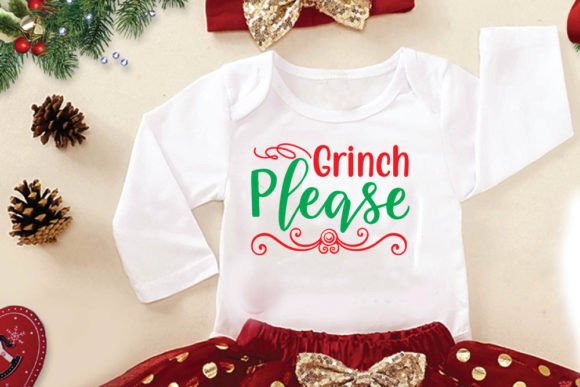
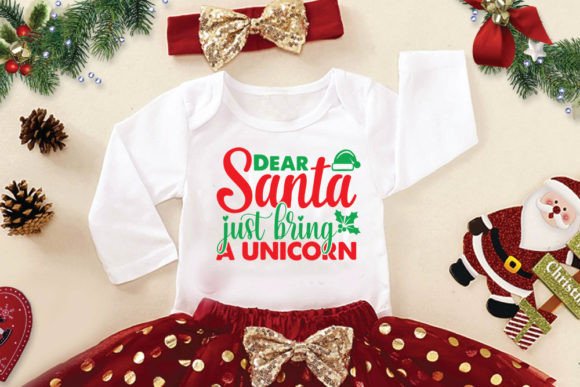
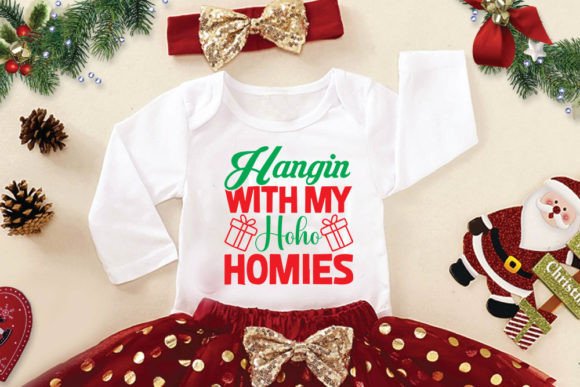
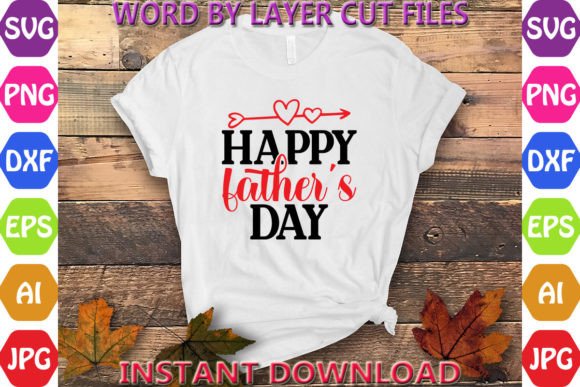
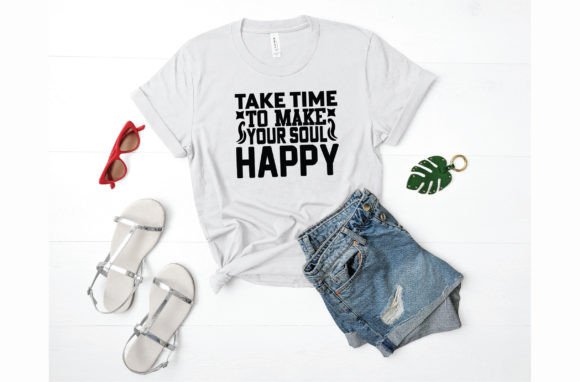
The asset also performed well in print-on-demand scenarios. I integrated the shapes into a t-shirt design concept, where the bold lines held up effectively against fabric textures. Similarly, for sticker design, the clear boundaries of the vector paths ensured clean cuts, which is crucial for production efficiency. Whether you are creating marketing visuals for a local event or designing editorial design layouts for a blog, the flexibility of these graphics allows them to adapt to various contexts. They function not just as standalone illustrations but as supportive components that enhance the overall narrative of the design.
Technical Performance and File Formats
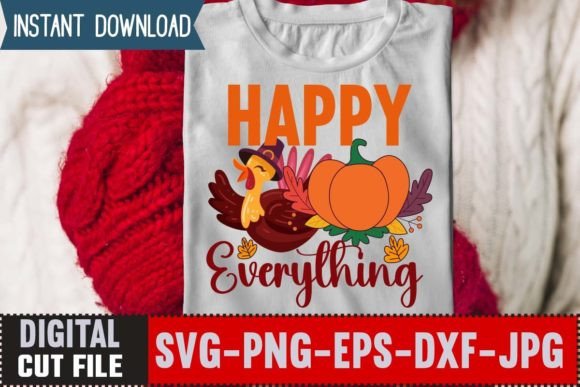
From a technical standpoint, the delivery method is straightforward. As a DIGITAL DOWNLOAD ONLY product, the package includes a single .zip file containing essential formats. Specifically, you receive an SVG-1 digital cut file, which is indispensable if you have Cricut Design Space or Silhouette Studio Designer Edition. Additionally, an EPS-1 file is included for broader vector editing capabilities in software like Adobe Illustrator. This combination ensures that both crafters and professional designers can utilize the asset effectively.
When working with the SVG design files, I found the paths to be clean and editable. This is critical for Cricut project workflows where complex nodes can cause cutting errors. The ability to manipulate the vector points allows for customization, enabling designers to tweak colors or shapes to match specific small business branding guidelines. For those using Canva, importing the SVGs provides high-quality scalability, making them superior to raster images for Canva template creation.
Strategic Placement and Visual Hierarchy
One of the most important lessons in using playful assets like Happy Everything is understanding visual hierarchy. These graphics work best in large layout areas or as hero graphics where they can breathe. Using them as subtle background patterns or in crowded layouts can lead to visual noise, reducing readability and professionalism. I recommend using them as focal points in product mockups or as framing elements in web design headers.
Conversely, there are situations where this asset should be used with caution. In minimalist corporate branding or projects requiring strict typographic clarity, the whimsical nature of Happy Everything might clash with the desired tone of authority and precision. It is less suitable for low-contrast designs where the details might get lost, or in very small sizes where the intricate aspects of the illustration become indistinguishable. Always test the asset in black and white first to ensure it maintains its impact without relying on color alone.
Designer Notes for Commercial Use
Before integrating any design bundle into a client deliverable, thorough testing is non-negotiable. I advise previewing Happy Everything at various scales to check for legibility. Place the graphics on real-world mockups to see how they interact with different textures and lighting conditions. If you are creating a sublimation design for mugs or tote bags, ensure the resolution and vector quality hold up during the printing process.
Furthermore, consider how these graphics pair with typography. They complement handwritten and script fonts well, creating a cohesive handmade feel, but may require a strong sans serif font to anchor the design if used in more structured layouts. Always verify the commercial license terms before using the asset for an Etsy product or any revenue-generating project. While many Freebies are available online, ensuring you have the right to use them commercially protects both you and your client from legal issues.
In conclusion, Happy Everything is a robust addition to any designer’s toolkit, particularly for those serving the creative marketplace. It offers a blend of charm and functionality that, when used with strategic intent, can elevate marketing visuals and brand identity projects. By respecting its strengths in modern design and acknowledging its limitations in formal contexts, you can leverage this creative design resource to deliver polished, engaging results for your clients.