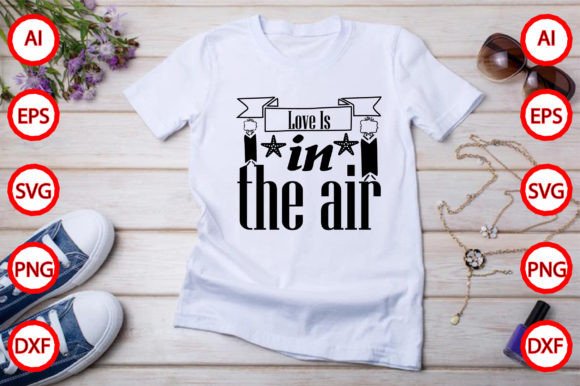
Love is in the Air: A Designer’s Practical Review
As an embroidery designer who has spent countless hours digitizing, testing, and stitching out thousands of designs, I have learned that not every pretty graphic translates well to thread. When I first encountered Love is in the Air, my initial reaction was one of cautious optimism. It sits in the Freebies category under Graphics, which often means it is intended for digital cutting or print rather than direct machine embroidery. However, for those of us running small shops or creating personalized gifts, the versatility of a design matters just as much as its aesthetic appeal.
This review is not just about how the image looks on a screen. It is about how Love is in the Air performs when you are trying to meet a deadline for a custom order, how it holds up on textured fabrics, and whether it adds genuine value to your handmade products. Let’s break down the practical realities of using this asset in your next embroidery project.
First Impressions and Visual Personality
The mood of Love is in the Air is undeniably romantic yet playful. The layout suggests a balance between whimsical typography and decorative elements, which is a tricky combination to execute in thread. Visually, it feels light and airy, making it a strong candidate for spring collections, wedding gifts, or nursery decor. The visual personality is soft, avoiding aggressive lines or overly complex details that might clutter a small hoop.
For Etsy sellers and craft business owners, this kind of aesthetic is highly marketable. It fits seamlessly into the current trend of minimalist, heartfelt home goods. However, because this is provided as a vector graphic package—including Ai, EPS, and SVG files—you are not getting a pre-digitized embroidery file. This is a crucial distinction. You will need to convert these graphics into a machine embroidery design using your preferred software, or use them as templates for applique work.
Real-World Application: The Tote Bag Test
To evaluate the real-world viability of Love is in the Air, I mentally walked through a common scenario: preparing a custom embroidered tote bag for a bridal shower gift. Tote bags are typically made from canvas or heavy cotton, which provides a stable base but can be challenging for fine details.
If I were to use the SVG file to create an applique design, the clean lines of the vector would allow for precise cutting on a Cricut or similar machine. Applique is often smarter than dense fill stitch for larger graphics on bags because it reduces bulk and stitch count. By placing a contrasting fabric behind the cut-out shapes of the design, you create texture and depth without overloading the stabilizer. This approach makes the finished product look professional and high-end, increasing perceived value for the buyer.
Alternatively, if you choose to digitize the text and elements for direct stitching, you must consider thread colors carefully. On a natural beige tote, soft pastels or classic reds work well. On a dark navy bag, you would need high-contrast thread colors to ensure the message is readable from a distance. The design’s openness suggests it would breathe well on fabric, avoiding the "cardboard" effect that happens when stitch density is too high.
Navigating Fabric and Hoop Constraints
One of the most important aspects of using free graphics for embroidery is understanding their limitations on different materials. Love is in the Air appears to have a balanced composition, but you must exercise caution with specific fabrics.
- Stretchy Fabrics: If you are applying this to a sweatshirt or baby onesie, the stretch of the knit fabric can distort the design. Use a cut-away stabilizer to maintain shape integrity.
- Textured Fabrics: On terry cloth towels or fluffy blankets, fine running stitch details may get lost. Consider simplifying the design or using satin stitch borders to define edges clearly.
- Small Hoop Sizes: If you are working with a 4x4 inch hoop, you may need to isolate specific elements of the graphic. Trying to cram the entire composition into a tiny space will reduce legibility and increase the risk of thread breaks.
- Dark Fabrics: Always test your thread colors on scrap fabric first. What looks vibrant on a white background might disappear on black. Adjusting the brightness of your thread palette is essential for visibility.
For curved surfaces like caps, the design’s layout needs to be arched digitally before stitching. Flat graphics can look distorted on a rounded crown, so take the time to adjust the pathing in your digitizing software.
Commercial Viability and Brand Consistency
For small shop owners and boutique brands, consistency is key. Love is in the Air offers a versatile aesthetic that can align with various brand identities, from rustic farmhouse to modern chic. Because you receive editable Ai and EPS files, you have the freedom to tweak colors to match your brand palette perfectly. This level of customization is invaluable for maintaining a cohesive look across your product line.
However, before listing any finished items on Etsy or at craft fairs, you must verify the licensing terms. While the product is listed as a freebie, commercial use rights for derivative works (like embroidered shirts) can vary. Always confirm whether you can sell physical products made with this design. Assuming the license permits it, this graphic can be a low-risk, high-reward addition to your catalog.
Practical Designer Notes for Best Results
To ensure your final product meets professional standards, follow these practical steps when working with Love is in the Air:
- Test on Scrap Fabric: Never stitch directly on your final garment. Run a test piece to check tension and registration.
- Check Stitch Density: If digitizing yourself, avoid overlapping stitches in tight corners. Reduce density in large fill areas to prevent puckering.
- Use Proper Stabilizer: Match your stabilizer to your fabric. Tear-away for wovens, cut-away for knits, and water-soluble for delicate or pile fabrics.
- Mockup in Black and White: Convert your design to grayscale on screen. If you cannot distinguish the elements without color, the contrast is too low for effective embroidery.
- Inspect Small Details: Zoom in on the vector file. Are there tiny anchor points or stray nodes? Clean up the SVG before importing it to your digitizing software to ensure smooth paths.
In conclusion, Love is in the Air is a charming asset that, with the right technical approach, can elevate your handmade products. It requires a bit more legwork than a ready-to-stitch DST file, but the flexibility of having vector sources allows for greater creative control. Whether you are making a personalized gift or stocking your online store, treat this graphic as a foundation. Build upon it with careful digitizing, thoughtful fabric selection, and precise stitching, and you will create a finished product that truly resonates with customers.